Navigating Grief During the Holiday Season: Insights from Mental Health Experts
December 25, 2024 - 08:56
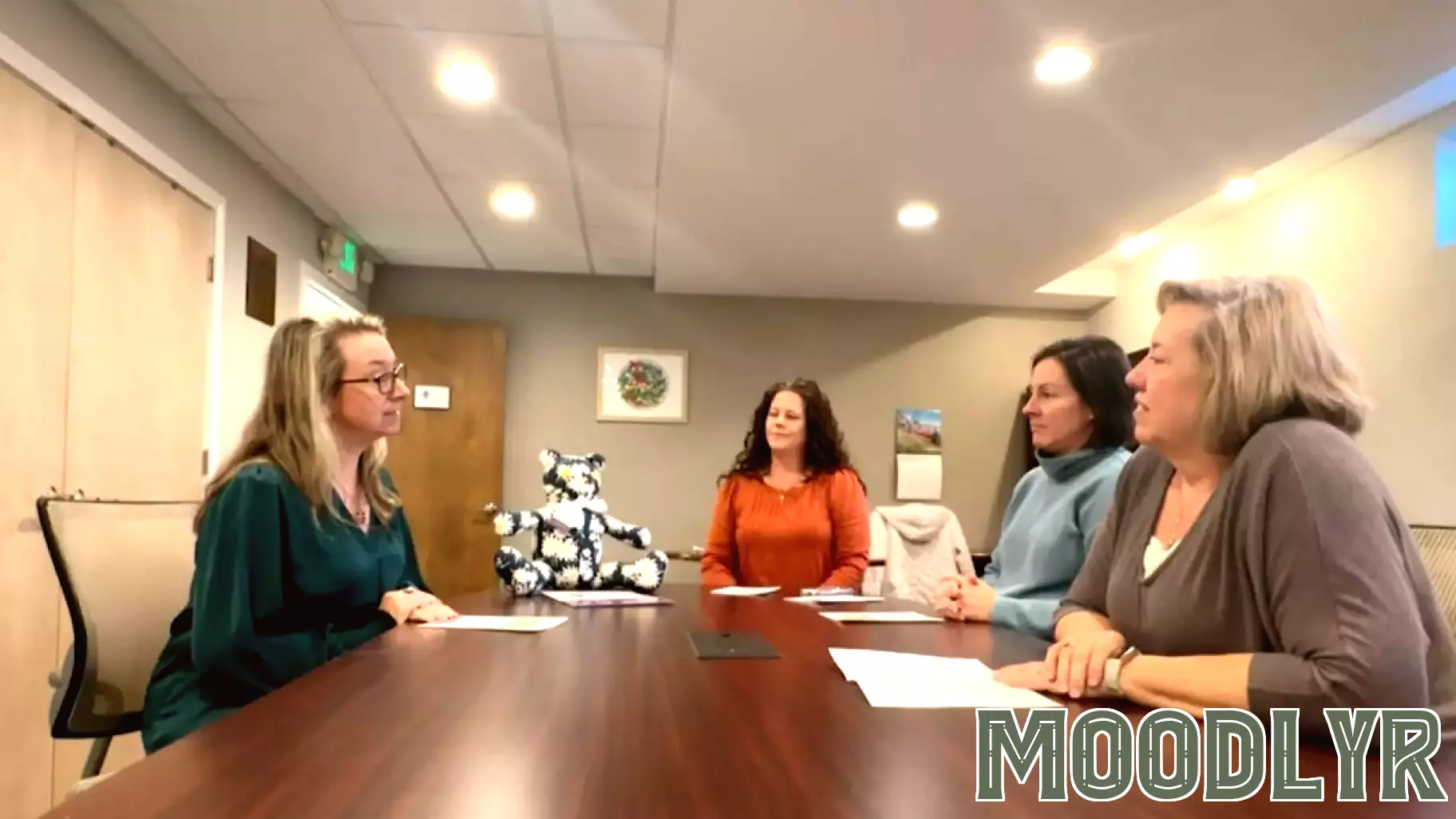
As the holiday season approaches, many individuals find themselves grappling with grief, particularly those who have recently lost a loved one. National data indicates that nearly 35% of people do not anticipate the holidays with joy, largely due to the emotional weight of their loss. This time of year, often associated with joy and togetherness, can become a painful reminder of absence for those in mourning.
Mental health experts emphasize the importance of acknowledging one’s feelings during this period. It is crucial to allow oneself to grieve and to understand that it is okay to feel sadness amidst the holiday festivities. Creating new traditions or modifying existing ones can also help individuals honor their loved ones while still participating in holiday activities.
Support from friends, family, or mental health professionals can play a pivotal role in navigating these challenging emotions. Engaging in open conversations about grief and sharing memories can foster connection and provide comfort during this difficult time.
MORE NEWS

August 19, 2026 - 02:46
A psychologist went to Arctic Norway expecting two months of winter darkness to make people miserable. Instead, she found that many locals had learned to see the polar night as cosy, beautiful, and strangely restorativeMost people assume that two months of near-total darkness would wear anyone down. A psychologist traveled to Arctic Norway with that exact expectation, ready to document the toll the polar night...

August 18, 2026 - 01:54
Psychology suggests charm is less about performing confidence than creating responsiveness — the feeling that someone is listening closely, asking real questions, and treating your life as interestingMost people assume charm is about being smooth, witty, or radiating self-assurance. But psychology points to something far less flashy. Charm, it turns out, is less about performing confidence and...

August 16, 2026 - 20:31
When Your Mother’s Diagnosis Unlocks Your OwnJordan Davis always knew she was different, but she never had a word for it. She was a good student, articulate, and high-achieving, yet she constantly heard the same criticism from teachers and...

August 16, 2026 - 15:48
Psychology says when parents pressure their adult children to visit, something predictable happens — researchers call it reactance, and it makes even the kids who wanted to come start looking for the exitMost parents mean well when they ask their grown children to come home more often. But a steady stream of guilt trips, reminders, and pointed comments about missed holidays can trigger a...