Pratika Rawal Attributes Psychology Studies to Her Stellar Performance
January 11, 2025 - 02:19
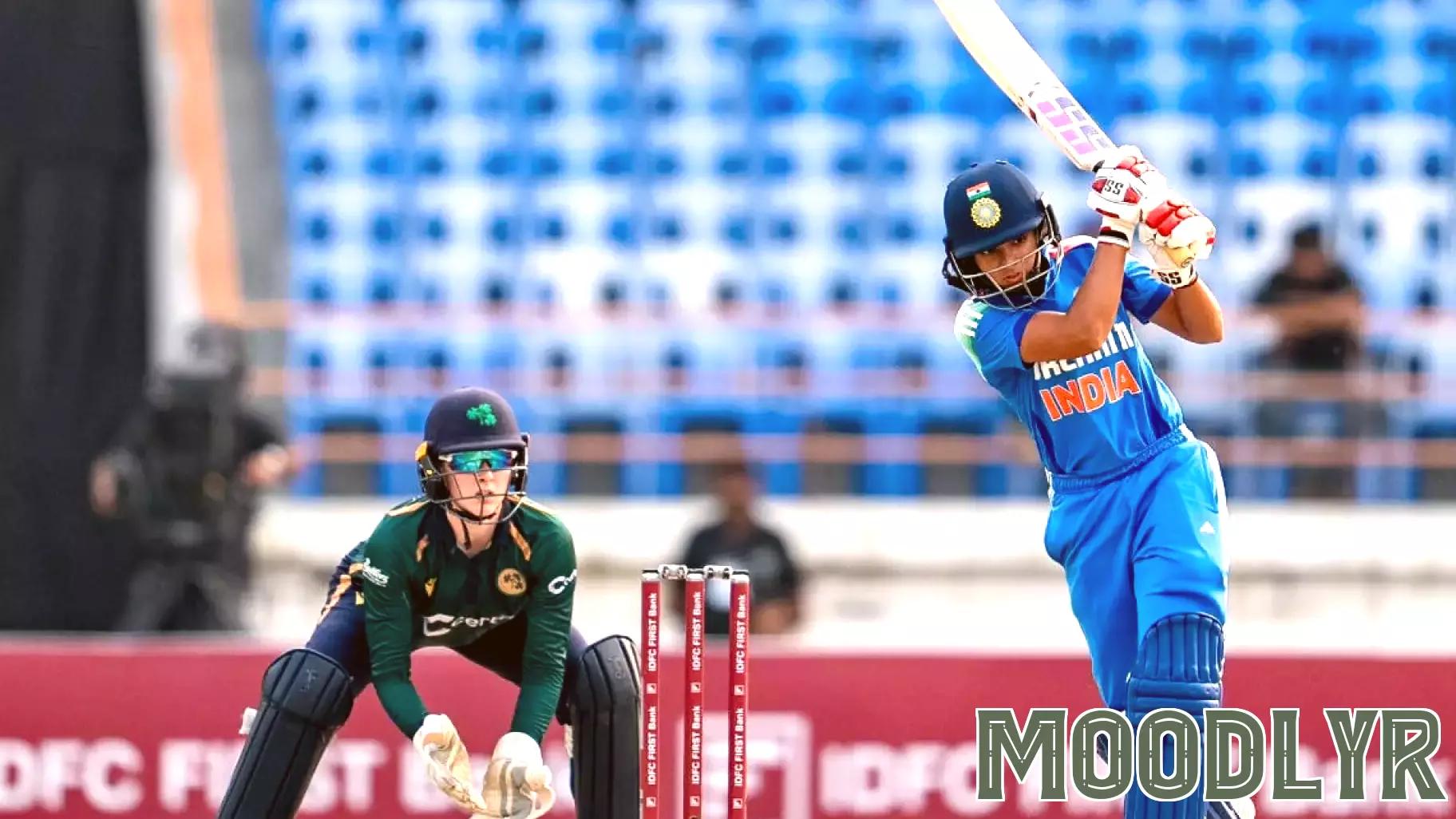
Pratika Rawal has attributed her remarkable mental resilience during a recent match to her studies in psychology. In a thrilling encounter against Ireland, she scored an impressive 89 runs, leading her team to a six-wicket victory. This win not only showcased her individual talent but also highlighted the effectiveness of her partnership with teammate Tejal Hasnbis, which proved crucial in steering India to a 1-0 series lead in Rajkot.
Rawal's understanding of psychological principles allowed her to maintain focus and composure under pressure, crucial elements in high-stakes cricket. Her performance was a testament to how mental fortitude can significantly impact gameplay, especially in challenging situations. As she continues to blend her academic knowledge with her athletic prowess, Rawal sets an inspiring example for aspiring cricketers. This victory not only boosts her confidence but also emphasizes the importance of mental preparation in sports.
MORE NEWS

August 20, 2026 - 09:05
Lindsay Clancy's mental illness led to tragedy, psychologist saysA forensic psychologist called by the defense in the Lindsay Clancy case testified on Tuesday that the mother of three was so severely impaired by mental illness that she did not grasp the...

August 19, 2026 - 20:35
Forensic psychologist describes Clancy's 'mental disease' at time of kids' deathsZeisel detailed the moment Clancy called her then-husband, Patrick, to confess. According to the psychologist, Clancy was not in a state of rational awareness but rather in the grip of a psychotic...

August 19, 2026 - 02:46
A psychologist went to Arctic Norway expecting two months of winter darkness to make people miserable. Instead, she found that many locals had learned to see the polar night as cosy, beautiful, and strangely restorativeMost people assume that two months of near-total darkness would wear anyone down. A psychologist traveled to Arctic Norway with that exact expectation, ready to document the toll the polar night...

August 18, 2026 - 01:54
Psychology suggests charm is less about performing confidence than creating responsiveness — the feeling that someone is listening closely, asking real questions, and treating your life as interestingMost people assume charm is about being smooth, witty, or radiating self-assurance. But psychology points to something far less flashy. Charm, it turns out, is less about performing confidence and...