The Importance of Saying "No" in Parenting: Insights from a Child Psychologist
December 3, 2024 - 20:36
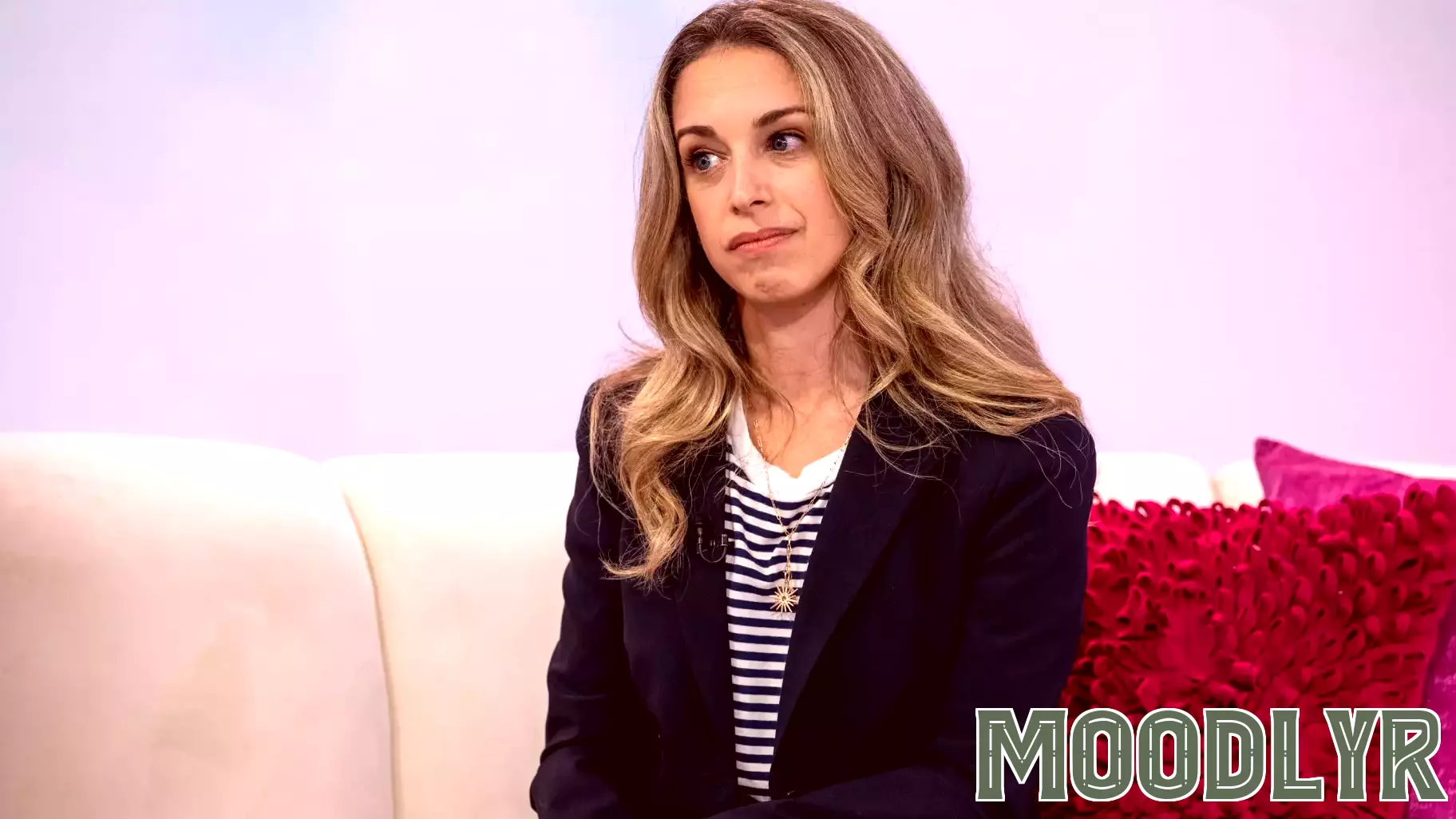
Parents who struggle to say "no" to their children could be doing them a disservice in the long run, according to child psychologist Becky Kennedy. In her experience, establishing boundaries is a critical aspect of healthy child development. Kennedy emphasizes that saying "no" helps children learn about limits, responsibility, and the importance of respect for others.
When parents consistently give in to their children's demands, it can lead to entitlement and behavioral issues. Kennedy suggests that setting clear boundaries allows children to understand the concept of consequences and helps them develop resilience. By facing challenges and learning to cope with disappointment, children are better equipped to navigate the complexities of life as they grow older.
Moreover, Kennedy notes that saying "no" can strengthen the parent-child relationship. It fosters trust and communication, as children come to understand that their parents have their best interests at heart. Ultimately, saying "no" is not just about restricting behavior; it's an essential component of nurturing well-rounded, emotionally intelligent individuals.
MORE NEWS

August 19, 2026 - 02:46
A psychologist went to Arctic Norway expecting two months of winter darkness to make people miserable. Instead, she found that many locals had learned to see the polar night as cosy, beautiful, and strangely restorativeMost people assume that two months of near-total darkness would wear anyone down. A psychologist traveled to Arctic Norway with that exact expectation, ready to document the toll the polar night...

August 18, 2026 - 01:54
Psychology suggests charm is less about performing confidence than creating responsiveness — the feeling that someone is listening closely, asking real questions, and treating your life as interestingMost people assume charm is about being smooth, witty, or radiating self-assurance. But psychology points to something far less flashy. Charm, it turns out, is less about performing confidence and...

August 16, 2026 - 20:31
When Your Mother’s Diagnosis Unlocks Your OwnJordan Davis always knew she was different, but she never had a word for it. She was a good student, articulate, and high-achieving, yet she constantly heard the same criticism from teachers and...

August 16, 2026 - 15:48
Psychology says when parents pressure their adult children to visit, something predictable happens — researchers call it reactance, and it makes even the kids who wanted to come start looking for the exitMost parents mean well when they ask their grown children to come home more often. But a steady stream of guilt trips, reminders, and pointed comments about missed holidays can trigger a...