The Paradox of Smartphone Use: Boredom and Social Media Addiction
November 30, 2024 - 13:51
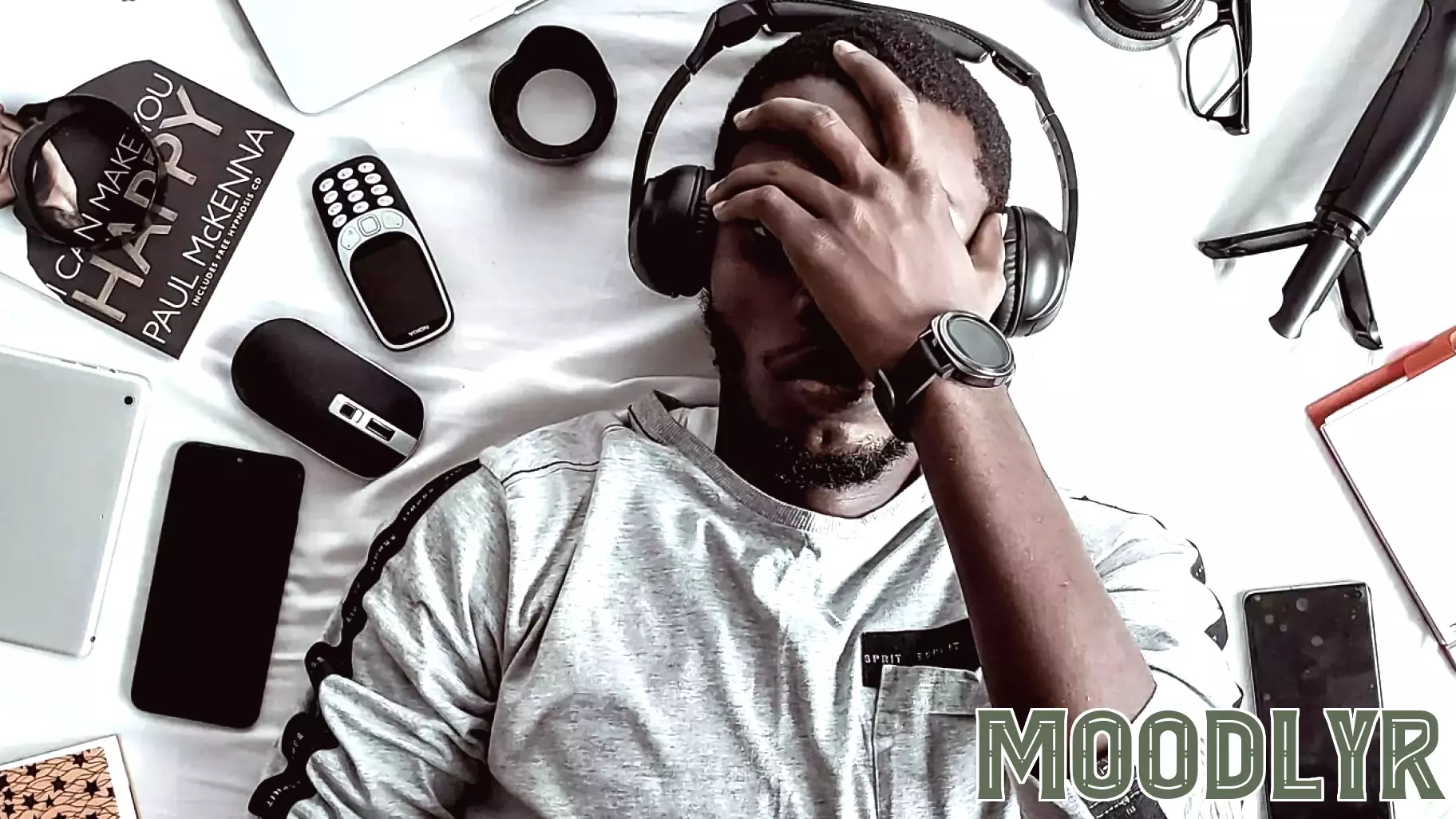
Recent studies have unveiled a troubling connection between chronic boredom and compulsive smartphone use, particularly on social media platforms. As individuals increasingly turn to their screens for entertainment, the irony is that this very engagement often leads to heightened feelings of boredom rather than alleviating them.
Researchers have found that the more time people spend scrolling through social media feeds, the less satisfied they feel with their experiences. This creates a vicious cycle where the desire to escape boredom drives users to their devices, yet the content consumed fails to provide meaningful engagement. Instead of stimulating interest or providing fulfillment, excessive smartphone use can lead to a sense of emptiness and dissatisfaction.
This phenomenon raises important questions about our relationship with technology and its role in our daily lives. As social media continues to dominate our attention, it becomes crucial to explore healthier ways to engage with our environment and find genuine sources of enjoyment beyond our screens.
MORE NEWS

August 20, 2026 - 19:26
Psychology says the kindest people you will ever meet aren't naive or soft — they are often people who have experienced real pain in life and made a conscious choice not to pass it on to othersPsychologists have long observed that the gentlest souls are rarely those who have lived sheltered lives. Instead, the most compassionate individuals are frequently people who have carried...

August 20, 2026 - 09:05
Lindsay Clancy's mental illness led to tragedy, psychologist saysA forensic psychologist called by the defense in the Lindsay Clancy case testified on Tuesday that the mother of three was so severely impaired by mental illness that she did not grasp the...

August 19, 2026 - 20:35
Forensic psychologist describes Clancy's 'mental disease' at time of kids' deathsZeisel detailed the moment Clancy called her then-husband, Patrick, to confess. According to the psychologist, Clancy was not in a state of rational awareness but rather in the grip of a psychotic...

August 19, 2026 - 02:46
A psychologist went to Arctic Norway expecting two months of winter darkness to make people miserable. Instead, she found that many locals had learned to see the polar night as cosy, beautiful, and strangely restorativeMost people assume that two months of near-total darkness would wear anyone down. A psychologist traveled to Arctic Norway with that exact expectation, ready to document the toll the polar night...