The Strategic Soundscape of Airports: How Music Shapes Traveler Experience
December 19, 2024 - 19:46
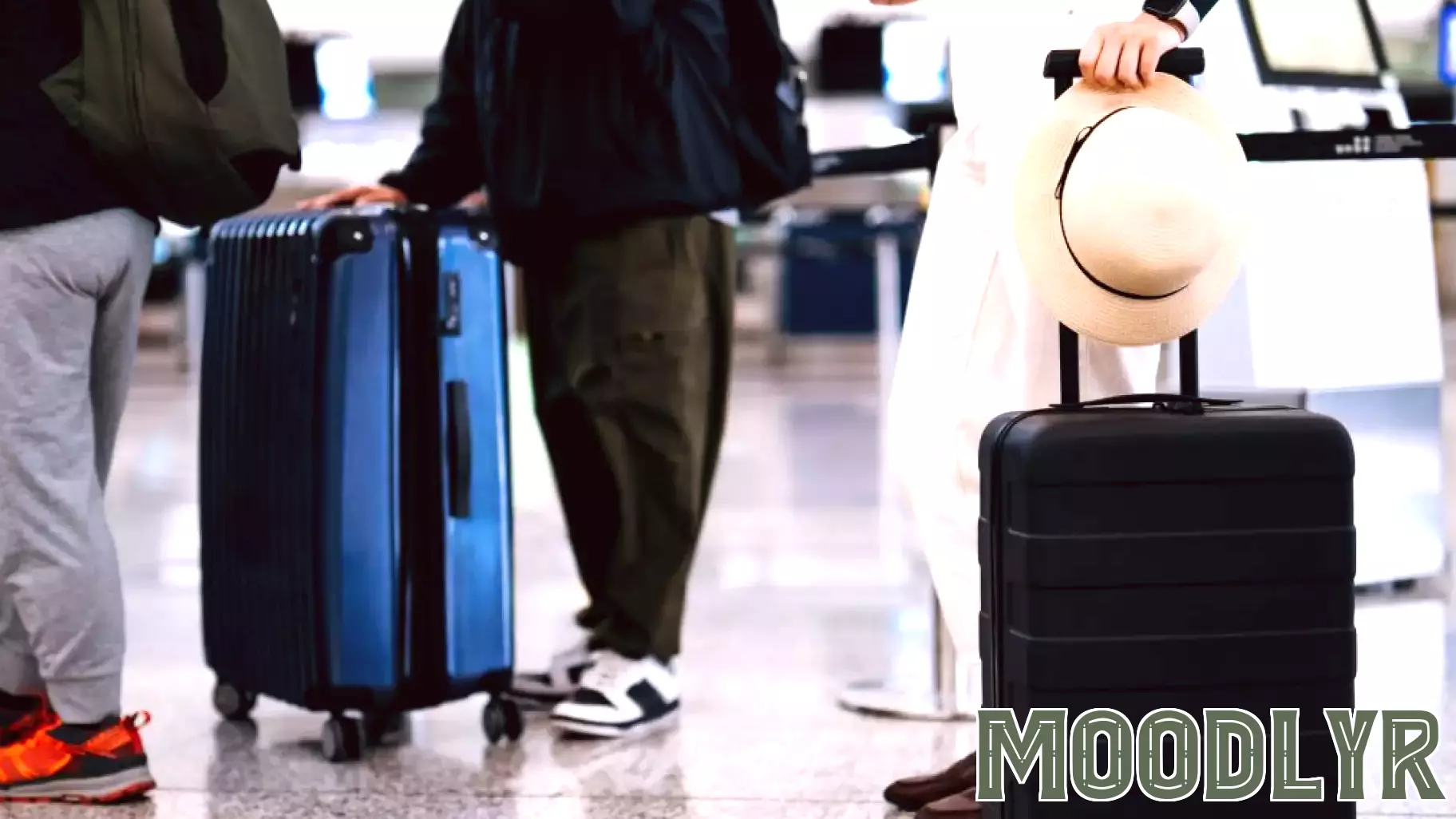
Airports are increasingly recognizing the profound impact of music on passenger behavior and emotions. In a bustling environment where stress levels can run high, many airports are deliberately curating their soundscapes to enhance the overall travel experience. For instance, calming melodies may be strategically played in security lines to soothe anxious travelers, promoting a more relaxed atmosphere during a typically stressful process.
Conversely, once passengers enter duty-free shops, the music shifts to more upbeat and energizing tracks, designed to encourage spending and uplift spirits. This intentional curation of sound not only influences shopping habits but also helps maintain a vibrant ambiance throughout the terminal.
The psychological effects of music are well-documented, and airports are leveraging this knowledge to create environments that cater to the emotional needs of travelers. By carefully selecting the right tunes for different areas, airports aim to enhance passenger satisfaction and streamline the overall journey, ultimately transforming the way we experience air travel.
MORE NEWS

August 20, 2026 - 09:05
Lindsay Clancy's mental illness led to tragedy, psychologist saysA forensic psychologist called by the defense in the Lindsay Clancy case testified on Tuesday that the mother of three was so severely impaired by mental illness that she did not grasp the...

August 19, 2026 - 20:35
Forensic psychologist describes Clancy's 'mental disease' at time of kids' deathsZeisel detailed the moment Clancy called her then-husband, Patrick, to confess. According to the psychologist, Clancy was not in a state of rational awareness but rather in the grip of a psychotic...

August 19, 2026 - 02:46
A psychologist went to Arctic Norway expecting two months of winter darkness to make people miserable. Instead, she found that many locals had learned to see the polar night as cosy, beautiful, and strangely restorativeMost people assume that two months of near-total darkness would wear anyone down. A psychologist traveled to Arctic Norway with that exact expectation, ready to document the toll the polar night...

August 18, 2026 - 01:54
Psychology suggests charm is less about performing confidence than creating responsiveness — the feeling that someone is listening closely, asking real questions, and treating your life as interestingMost people assume charm is about being smooth, witty, or radiating self-assurance. But psychology points to something far less flashy. Charm, it turns out, is less about performing confidence and...