Three Essential Relationship Resolutions for Couples in 2025
January 23, 2025 - 04:19
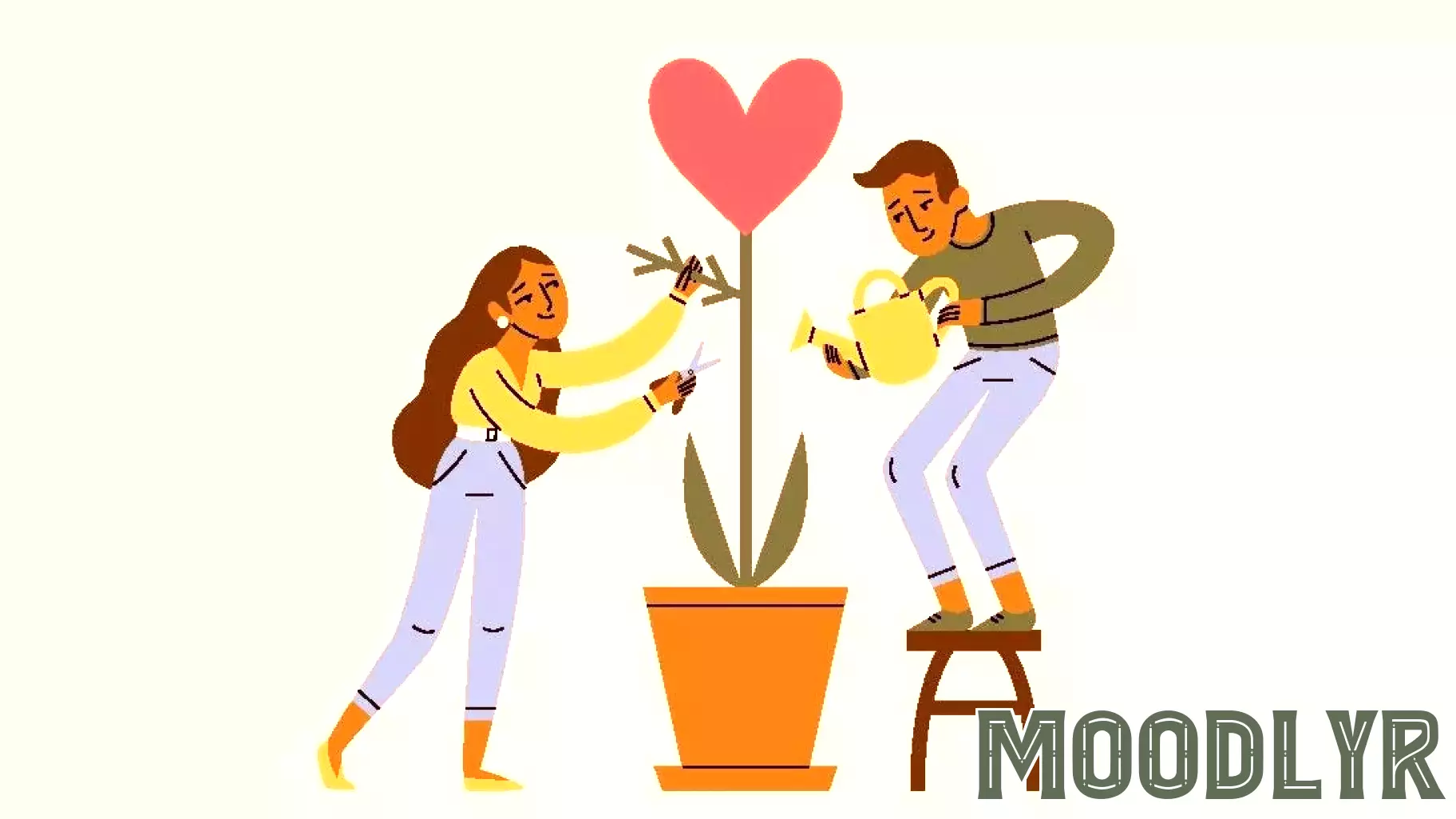
The new year offers couples a chance to learn from the past and start fresh. Here are three research-backed resolutions that can help your relationship flourish in 2025.
First, prioritize open communication. Establishing a habit of discussing feelings, needs, and concerns can significantly enhance emotional intimacy. Setting aside regular time for these conversations fosters understanding and connection, allowing couples to address issues before they escalate.
Second, practice gratitude. Expressing appreciation for one another can strengthen bonds and promote a positive atmosphere within the relationship. Simple gestures, such as leaving notes or verbal affirmations, can remind partners of their value and contributions, leading to increased satisfaction.
Lastly, commit to shared activities. Engaging in new experiences together can reignite passion and create lasting memories. Whether it’s trying a new hobby, traveling to a new destination, or even cooking a meal together, these shared moments can deepen the relationship and enhance overall happiness.
By embracing these resolutions, couples can pave the way for a more fulfilling and harmonious partnership in the coming year.
MORE NEWS

August 19, 2026 - 20:35
Forensic psychologist describes Clancy's 'mental disease' at time of kids' deathsZeisel detailed the moment Clancy called her then-husband, Patrick, to confess. According to the psychologist, Clancy was not in a state of rational awareness but rather in the grip of a psychotic...

August 19, 2026 - 02:46
A psychologist went to Arctic Norway expecting two months of winter darkness to make people miserable. Instead, she found that many locals had learned to see the polar night as cosy, beautiful, and strangely restorativeMost people assume that two months of near-total darkness would wear anyone down. A psychologist traveled to Arctic Norway with that exact expectation, ready to document the toll the polar night...

August 18, 2026 - 01:54
Psychology suggests charm is less about performing confidence than creating responsiveness — the feeling that someone is listening closely, asking real questions, and treating your life as interestingMost people assume charm is about being smooth, witty, or radiating self-assurance. But psychology points to something far less flashy. Charm, it turns out, is less about performing confidence and...

August 16, 2026 - 20:31
When Your Mother’s Diagnosis Unlocks Your OwnJordan Davis always knew she was different, but she never had a word for it. She was a good student, articulate, and high-achieving, yet she constantly heard the same criticism from teachers and...