Understanding the Four Types of Individuals Contemplating Divorce
November 25, 2024 - 18:02
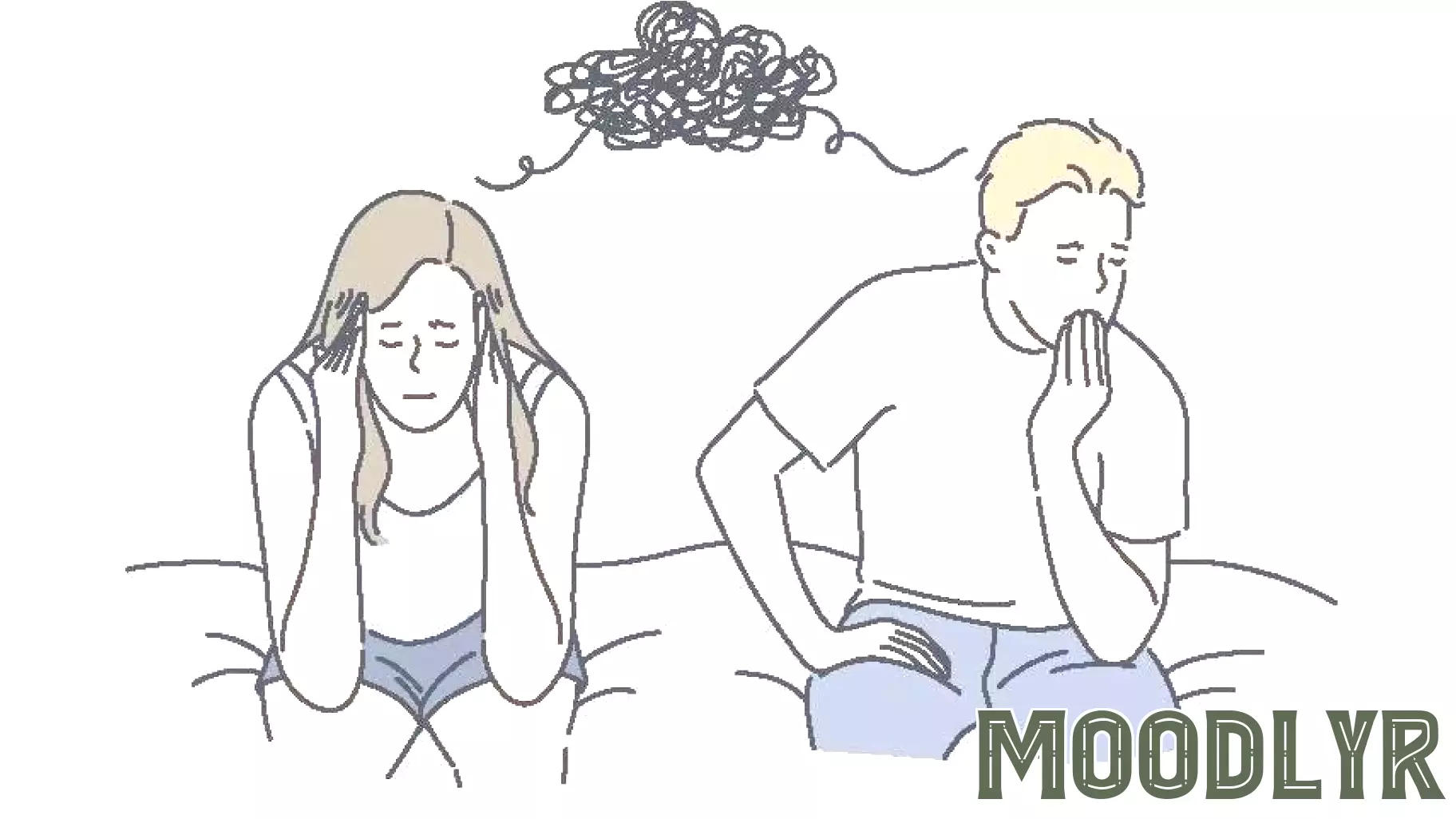
Choosing whether or not to get a divorce is a decision that plagues many. Here’s what this process can look like for different people.
Divorce is a significant life event that affects individuals in various ways. Psychologists have identified four distinct types of people who often find themselves considering this difficult choice.
1. The Overwhelmed Partner: This individual feels consumed by the emotional weight of their relationship. They often struggle to communicate their feelings and may feel trapped in their situation, leading to a sense of helplessness.
2. The Anxious Individual: Constantly worried about the future, this person grapples with fear and uncertainty. They may hesitate to initiate a divorce due to concerns about financial stability, co-parenting, or starting over.
3. The Resolute Decision-Maker: Unlike the others, this person has made a firm decision to pursue divorce. They are often clear about their reasons and are focused on moving forward, seeking to reclaim their independence and happiness.
4. The Hopeful Partner: This individual still clings to the hope that their relationship can be salvaged. They may be exploring therapy or other avenues to resolve conflicts, but the thought of divorce lingers as a possibility if things do not improve.
Understanding these types can provide clarity for individuals navigating the complex emotions surrounding divorce. Each person's experience is unique, shaped by their circumstances and emotional state, which plays a crucial role in their decision-making process.
MORE NEWS

August 20, 2026 - 09:05
Lindsay Clancy's mental illness led to tragedy, psychologist saysA forensic psychologist called by the defense in the Lindsay Clancy case testified on Tuesday that the mother of three was so severely impaired by mental illness that she did not grasp the...

August 19, 2026 - 20:35
Forensic psychologist describes Clancy's 'mental disease' at time of kids' deathsZeisel detailed the moment Clancy called her then-husband, Patrick, to confess. According to the psychologist, Clancy was not in a state of rational awareness but rather in the grip of a psychotic...

August 19, 2026 - 02:46
A psychologist went to Arctic Norway expecting two months of winter darkness to make people miserable. Instead, she found that many locals had learned to see the polar night as cosy, beautiful, and strangely restorativeMost people assume that two months of near-total darkness would wear anyone down. A psychologist traveled to Arctic Norway with that exact expectation, ready to document the toll the polar night...

August 18, 2026 - 01:54
Psychology suggests charm is less about performing confidence than creating responsiveness — the feeling that someone is listening closely, asking real questions, and treating your life as interestingMost people assume charm is about being smooth, witty, or radiating self-assurance. But psychology points to something far less flashy. Charm, it turns out, is less about performing confidence and...