Understanding the Polydrug Use Crisis
December 1, 2024 - 06:39
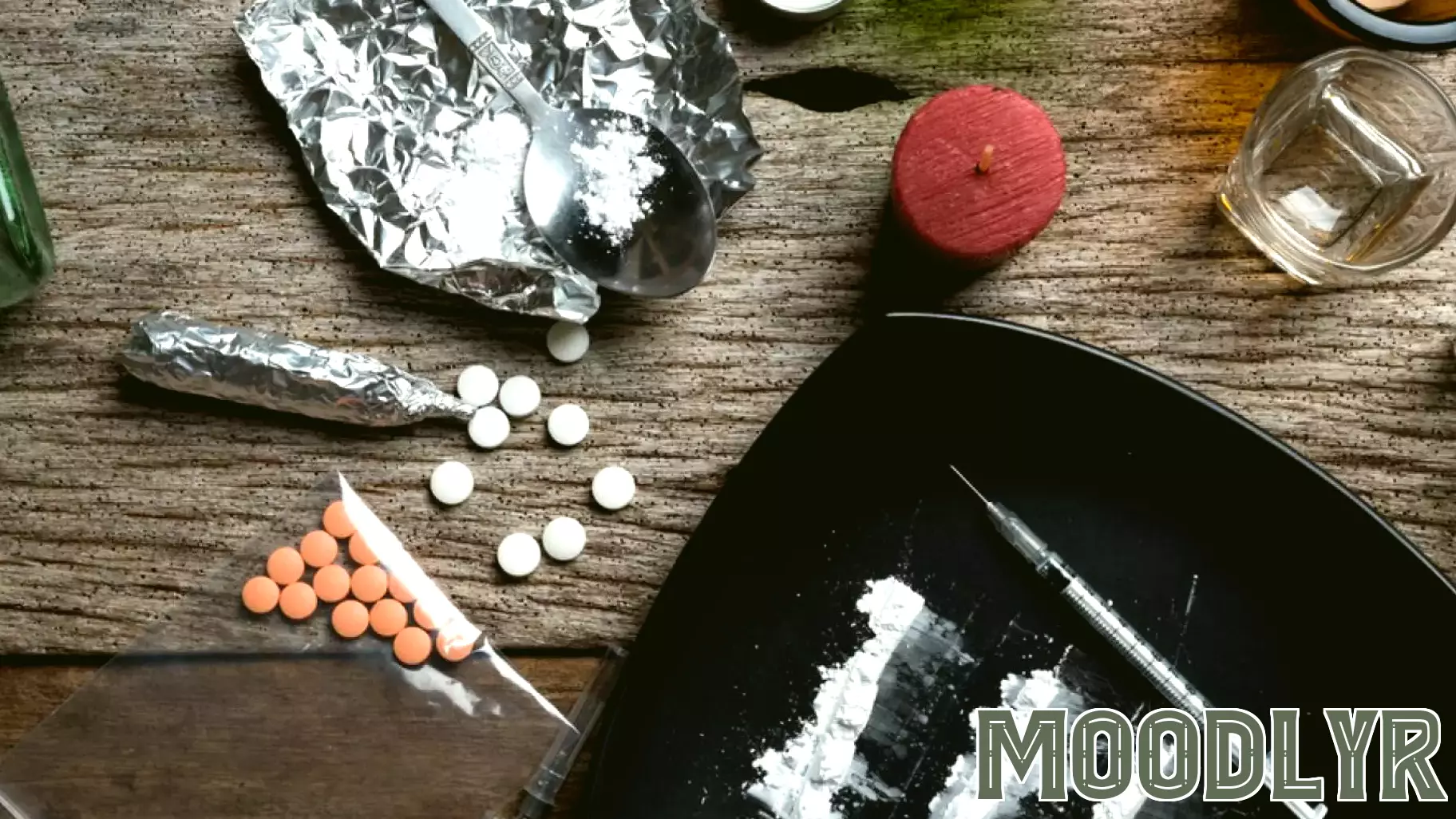
Contrary to common belief, the issue of polydrug use is increasingly prevalent, with many individuals abusing a combination of substances, including alcohol and various drugs. This trend poses significant challenges for health professionals, as the simultaneous use of multiple substances complicates treatment protocols and increases the risk of overdose.
Polydrug use can lead to unpredictable interactions between substances, heightening the potential for severe health consequences. For instance, combining stimulants with depressants can strain the cardiovascular system and impair respiratory function. This complexity makes it difficult for emergency responders to effectively manage overdose situations, as the symptoms may vary widely depending on the specific substances involved.
Moreover, the stigma surrounding substance abuse often discourages individuals from seeking help, further exacerbating the crisis. As awareness of polydrug use grows, it is essential for communities to foster open discussions about the dangers and seek comprehensive strategies to address this multifaceted issue. Education and prevention efforts must evolve to reflect the realities of substance abuse in today's society.
MORE NEWS

August 15, 2026 - 18:55
Moving Beyond Wellness to EmpowermentFor years, workplace and community wellness initiatives have centered on stress reduction, mindfulness, and self-care. While these tools are helpful, a growing number of public health experts argue...

August 14, 2026 - 01:29
Montgomery College Launches New Psychology ProgramMontgomery College has introduced a new Psychology Option inside its Associate of Arts in General Studies degree, giving students a clearer route toward transferring to a four-year university. The...

August 13, 2026 - 03:37
Depression Doesn’t Just Affect the Thinking BrainFor decades, depression has been tied to the thinking brain and the networks that govern mood and memory. A major new study significantly complicates that story. Researchers have found that the...

August 12, 2026 - 09:29
Narcissism and psychopathy linked to entrepreneurial mindsetsPeople who rank higher in traits such as narcissism and psychopathy also tend to feel a more powerful internal push toward founding their own companies, according to recent research. The study...